 EN
EN

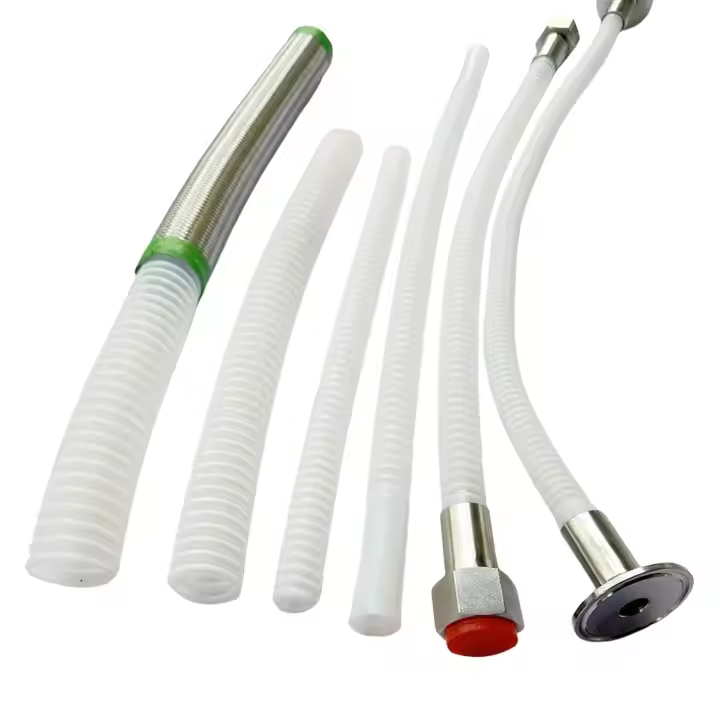
Regulatory Foundations: How FDA, EU MDR, and ISO Standards Shape Spec Requirements
Class-Based Rigor: Why Class II/III Devices Demand Traceable, Verified Specs for Components Like Teflon Tube
How medical devices get classified really determines how strict their specifications need to be according to both FDA and EU MDR regulations. Most of these higher risk devices fall into Classes II or III, making up around three quarters of things like heart implantables. For these products, tracking where every component comes from becomes absolutely essential, especially materials like Teflon tubing that can't fail. Why? Well, look at what happens when there are problems. A study by Ponemon back in 2023 showed that when Class III devices had issues with their materials, companies ended up paying roughly $740 thousand each time they had to recall them. That's why specs for these devices should definitely cover proper testing procedures and documentation requirements for all key parts.
- Batch-to-batch biocompatibility testing per ISO 10993
- Dimensional tolerance thresholds (±0.01mm for luminal consistency)
- Extractables profiles under simulated clinical conditions
Traceability chains connecting raw Teflon resin certifications to final device validations prevent critical failures. For instance, unverified plasticizer levels in tubing have been associated with embolism risk in hemodialysis systems.
21 CFR Part 820 & ISO 13485: Integrating Spec Control into Quality System Documentation
The FDA’s Quality System Regulation (21 CFR Part 820) and ISO 13485 mandate bidirectional traceability between component specifications and quality records. This requires:
| Control Element | Documentation Requirement |
|---|---|
| Design Inputs | Risk analysis (ISO 14971) linking Teflon tube properties to user needs |
| Change Management | Validation protocols for material substitutions |
| Supplier Oversight | Certified material test reports (MTRs) with lot linkage |
Manufacturers must implement automated specification workflows where approved Teflon tube parameters—like melt flow index and sterilization resistance—auto-populate Device Master Records. This eliminates documentation gaps that accounted for 32% of 2023 FDA Form 483 observations.
Material-Specific Engineering Requirements: The Teflon Tube as a Critical Use Case
Biocompatibility and Chemical Safety: USP Class VI, ISO 10993, and Extractables/Leachables Thresholds for Teflon Tube
For medical grade PTFE tubing, passing biocompatibility tests according to standards like ISO 10993 and USP Class VI is absolutely essential before it can be used in actual applications. The main concern here is what happens when these tubes come into contact with body fluids or drugs during their service life. That's why extractables and leachables testing becomes so important. Basically, we need to know exactly how much of those chemicals might migrate out of the material over time. Most industry standards look for less than 0.1% weight loss after exposing samples to solvents for three whole days, and they check this using gas chromatography mass spectrometry analysis. When it comes to safety screening, there are several key areas they focus on including whether the material causes cell death, allergic reactions, or blood compatibility issues. These tests become even more crucial for devices meant to stay inside the body long term. And let's not forget about the raw materials themselves. Manufacturers have to make sure there aren't any harmful additives like plasticizers or leftover catalysts in the polymer mix at concentrations above 5 parts per million.
Functional Performance Specs: Dimensional Stability, Purity, and Sterilization Compatibility of Teflon Tube
When integrating Teflon tubes into medical devices, getting the specs right is absolutely critical. The dimensional stability needs to stay within ±0.05mm across temperature extremes from -40°C all the way up to 260°C. This tight control prevents those annoying flow rate issues that can happen in infusion systems during operation. For material purity, manufacturers must meet USP Class VI standards and ensure endotoxin levels are below detectable limits at less than 0.25 EU per milliliter, as verified by LAL tests. These tubes also need to survive common sterilization methods without breaking down. They should handle autoclaving at 121°C under 15 PSI pressure, withstand gamma radiation doses between 25 and 50 kGy, and endure Ethylene Oxide processing too. After going through any of these sterilization processes, the tensile strength should remain above 90% of original values. Maintaining this level of performance after sterilization is what makes these tubes reliable enough for actual clinical use.
From User Needs to Verified Specs: Traceability and Lifecycle Management
Bidirectional Traceability Across Risk Management (ISO 14971), Design History File, and BOM — with Teflon Tube as Anchor Point
Good traceability means connecting each design requirement to where it came from in user needs and what needs to happen next for verification. Critical parts like Teflon tubes need this two-way connection between different documents. Risk management under ISO 14971, the Design History File, and the Bill of Materials must all tie together for these components. Take the Teflon tube in a vascular catheter. The need for pure materials comes directly from making sure patients stay safe during procedures. Using ISO 14971 risk analysis turns those safety concerns into specific tests for extractables. These requirements show up in validation records and procurement specs at the same time. If there's even a small change to the tube size or polymer quality, everything gets updated automatically across all documentation systems. This creates a sort of feedback loop that stops important mistakes from happening, like missing something about how materials react inside the body. Regulators checking on medical devices want to see clear records showing how sterilization tests connect back to material certifications and forward to biocompatibility data. When companies fail to maintain this kind of thorough documentation in all directions, compliance falls apart. That puts not just regulatory approvals at risk but also endangers patient health when products reach market.
Regulatory Pathway Alignment: How 510(k), De Novo, and PMA Influence Spec Depth and Documentation
Choosing the right regulatory path for medical devices makes a big difference in how much documentation and technical detail is needed. When companies go with the FDA's 510(k) route, they have to show their product matches existing ones called predicates. This means doing detailed comparisons on parts like Teflon tubes to prove they're substantially equivalent. Most of the time, this approach just needs bench testing results instead of full clinical trials, which saves time on paperwork. Things get different with the De Novo process for new Class I or II devices. Here manufacturers must set up special controls while proving materials are safe and perform well according to standards like USP Class VI requirements for Teflon tubing. For really risky Class III devices that require Premarket Approval (PMA), there's no shortcut. Companies need mountains of evidence including clinical trial data and complete traceability from initial designs to final products. Every single spec gets examined closely during PMA reviews, even something as specific as whether Teflon tubes can handle sterilization processes properly throughout their entire life cycle. No matter which path is taken, linking technical specifications back to risk assessments following ISO 14971 guidelines stays essential for passing regulatory audits and maintaining compliance.
FAQ
What are the main components that need verified specifications in Class II/III medical devices?
In Class II/III medical devices, components like Teflon tubing require verified specifications due to their high-risk applications. These specifications include biocompatibility testing, dimensional tolerance thresholds, and extractables profiles under simulated clinical conditions.
What are the documentation requirements under 21 CFR Part 820 and ISO 13485?
Both 21 CFR Part 820 and ISO 13485 require bidirectional traceability between component specifications and quality records, covering elements like design inputs, change management, and supplier oversight.
How do extractables and leachables affect Teflon tubing in medical devices?
Extractables and leachables testing is crucial to determine how chemicals in Teflon tubing may migrate into body fluids or drugs over time. This ensures the material's biocompatibility and safety for long-term medical use.
What regulatory pathways influence spec depth and documentation for medical devices?
The FDA's 510(k), De Novo, and PMA pathways each have different documentation requirements. The 510(k) process involves showing equivalence to existing devices, while De Novo requires demonstration of safety and performance for new Class I or II devices. PMA is for high-risk Class III devices with comprehensive data requirements.
Table of Contents
- Regulatory Foundations: How FDA, EU MDR, and ISO Standards Shape Spec Requirements
- Material-Specific Engineering Requirements: The Teflon Tube as a Critical Use Case
- From User Needs to Verified Specs: Traceability and Lifecycle Management
- Regulatory Pathway Alignment: How 510(k), De Novo, and PMA Influence Spec Depth and Documentation
-
FAQ
- What are the main components that need verified specifications in Class II/III medical devices?
- What are the documentation requirements under 21 CFR Part 820 and ISO 13485?
- How do extractables and leachables affect Teflon tubing in medical devices?
- What regulatory pathways influence spec depth and documentation for medical devices?