 EN
EN

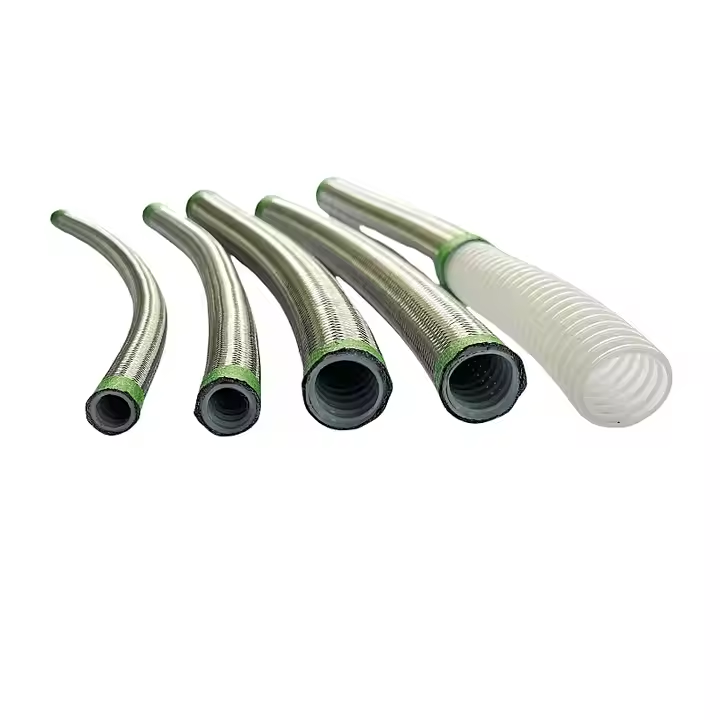
Core Properties of Teflon (PTFE) Tubing That Enable Non-Stick Performance
What Is Teflon (PTFE) Tubing?
Polytetrafluoroethylene (PTFE) tubing, commonly known as Teflon tubing, is a fluoropolymer-based solution engineered for demanding industrial applications. Its molecular structure features carbon chains shielded by fluorine atoms, creating an inert material with exceptional non-reactive and non-stick properties.
Key Physical and Chemical Properties of PTFE Tubing
PTFE tubing operates effectively between -200°C to +260°C, maintaining structural integrity in extreme thermal conditions. Chemically inert, it resists 98% of industrial acids, bases, and solvents without degradation, as demonstrated in chemical stability tests. The material’s dielectric strength (19.7 kV/mm) further enhances its suitability for electrical insulation applications.
Non-Stick Characteristics of Teflon for Piping Systems
The fluorine shield creates a near-frictionless surface with <0.1 µm roughness, preventing adhesion of viscous substances like adhesives or food residues. This property reduces contamination risks in sectors like pharmaceuticals, where research confirms PTFE tubes achieve 99.9% purity retention during fluid transfers.
Low Friction Coefficient of PTFE: Implications for Flow Efficiency
With a friction coefficient of 0.05–0.10, PTFE tubing reduces pumping energy requirements by up to 34% compared to polyethylene alternatives (Parker Hannifin, 2023). This characteristic minimizes pressure drops in pipelines transporting abrasive slurries or high-viscosity fluids, directly translating to lower operational costs.
Chemical Resistance of Teflon Tubing in Harsh Industrial Environments
PTFE Chemical Resistance Against Acids, Bases, and Solvents
PTFE tubing, also known as polytetrafluoroethylene, stands up against almost all industrial chemicals - we're talking about around 98% resistance here. This includes some pretty harsh stuff like concentrated sulfuric acid, hydrofluoric acid, and those tough chlorinated solvents many facilities deal with daily. Independent tests following ASTM D543 standards have shown that these tubes keep their structural strength intact even when exposed to aggressive chemicals for over 1,000 hours straight at temperatures reaching 100 degrees Celsius. What makes PTFE so special? Well, its non-polar molecular arrangement basically stops it from forming bonds with most reactive substances. That's why this material works exceptionally well for applications involving nitric acid concentrations up to 70% and sodium hydroxide solutions at about 50% strength levels.
Corrosion Resistance in Continuous Exposure to Aggressive Media
PTFE tubing stands out compared to regular metals when exposed to acidic conditions. According to research published in the Industrial Materials Journal back in 2022, these tubes showed less than 0.01% mass loss even after sitting in hydrochloric acid vapors for five whole years straight. That kind of durability really makes a difference because it stops those annoying issues where pipes get thinner over time or contaminate what's flowing through them. Semiconductor manufacturers especially appreciate this feature since their etching processes need clean, consistent materials. Take one large chemical facility as an example they saw something amazing happen once they switched over to PTFE lined systems for moving chlorine gas around. Their unexpected shutdowns dropped by almost 92%, which means less downtime and happier operators across the board.
Case Study: Teflon Use in Chemical Processing Equipment
One specialty chemical company made the move from glass-lined steel pipes to PTFE tubing when handling acrylonitrile transfers, and it solved those constant leaks that kept happening because of thermal stress issues. Switching over cut down on maintenance work by around 87%, which is pretty impressive considering how often they used to have to fix things. Plus, over the course of twelve months straight production runs maintained almost perfect purity at 99.9%. The engineers working on this project also pointed out something interesting about the new setup - the inside of the PTFE tubes was so smooth that there was an 18% reduction in pressure loss compared to what they saw with their old corroded metal pipes. Makes sense really, since rough surfaces tend to create more resistance in fluid systems.
Temperature Resilience of Teflon Tubing Across Industrial Applications
Operating Range from -200°C to +260°C: Thermal Stability of PTFE
Teflon tubes hold their shape through some seriously extreme temperatures compared to most industrial plastics out there. They work just fine even when things get as cold as minus 200 degrees Celsius or as hot as plus 260 degrees Celsius according to Demax OEM data from 2023. What makes PTFE so special? Those tough carbon-fluorine connections inside the material actually stand up much better to heat damage than regular old polyethylene, which melts around 80 degrees, or nylon that starts breaking down at about 120 degrees. Because of this amazing temperature tolerance, engineers rely on Teflon for stuff like moving liquid nitrogen between containers or running coolant lines right next to car engines where cheaper alternatives simply wouldn't last five minutes.
Heat Resistance in High-Temperature Manufacturing Processes
In semiconductor fabrication and glass tempering, Teflon tubes withstand sustained exposure to 220–250°C–temperatures at which most plastics release volatiles. Third-party testing shows PTFE retains 93% of its tensile strength after 5,000 hours at 260°C (Material Analysis Lab 2022), supporting maintenance-free operation in hot oil circulation and resin injection molds.
Performance Under Thermal Cycling and Expansion Stress
Automotive brake fluid lines demonstrate PTFE’s resilience under rapid temperature shifts, enduring 15,000+ cycles between -40°C and 200°C in lifespan testing. With a low linear thermal expansion coefficient (135 ×10¬¬/°C), PTFE minimizes dimensional changes–critical for precision instruments like chromatography systems, where minor deformation can compromise results.
Critical Industrial Applications of Teflon Tubes in Non-Stick Piping Systems
Teflon Tubing in Semiconductor Manufacturing: Purity and Precision
Teflon tubes keep ultra pure chemicals and gases moving without contamination during semiconductor fabrication processes. Even tiny particles as small as 0.1 microns can wreck microchip yields in these sensitive environments. According to a recent industry report from SEMI in 2023, PTFE tubing cuts down on defects by about two thirds compared to silicone when delivering photoresist materials. The material's non porous nature means it doesn't absorb dopants such as boron trifluoride, which helps maintain those incredibly low parts per billion purity levels needed for 3nm chip manufacturing. Most top tier fabrication plants rely on Teflon tubes for CMP slurry distribution in their electronics manufacturing lines because of the material's exceptionally low friction coefficient around 0.04. This property keeps abrasive particles from settling out of suspension, ensuring consistent quality throughout the polishing process.
Pharmaceutical and Food-Grade Fluid Transfer Using PTFE
According to the FDA's latest guidelines from 2024, PTFE stands out as the sole polymer that satisfies Good Manufacturing Practice standards for producing high purity drugs and carrying out sterile fill finish operations. When it comes to durability, Teflon tubing can handle over 150 steam sterilization cycles without warping or deforming, which is actually about 40 percent better than what we see with PTFE lined stainless steel alternatives. This matters quite a bit in mRNA vaccine manufacturing where the material's chemical neutrality helps stop those tiny lipid nanoparticles from clumping together during critical buffer exchange steps. Looking at recent industry data from 2024 audits, roughly 87 percent of biologics facilities across Europe have switched to using single use Teflon transfer systems for their pharmaceutical sterilization needs, showing just how widely accepted this technology has become in modern manufacturing practices.
Oil and Gas Industry: Handling Corrosive and Abrasive Media
Teflon lined pipes can handle hydrogen sulfide concentrations as high as 28% in sour gas extraction environments, which is roughly three times what other fluoropolymers like PEEK can manage. Recent field tests conducted in Texas shale operations last year demonstrated that PTFE coatings cut down on erosion rates by nearly 91% when used in lines carrying proppant laden fracking fluids under pressures reaching 8,500 pounds per square inch. The material stays flexible even at extremely low temperatures around minus 200 degrees Celsius, making it resistant to brittle fractures during liquefied natural gas transfers at minus 162 degrees Celsius. This performance advantage means operators don't have to worry about expensive heating jacket maintenance that carbon steel alternatives typically require.
Offshore and Chemical Plants: Reliability in Extreme Conditions
According to research published in the Journal of Offshore Mechanics back in 2022, PTFE lined pipes have been observed to last around 14 years in those harsh North Sea splash zones. That's actually about 2.5 times better than what we see with nickel alloy alternatives. These special tubes can handle quite a bit of abuse too, standing up to 6% chlorine vapor at temperatures reaching 230 degrees Celsius in chlor alkali plants. They maintain really low corrosion rates below 0.001 mm per year even when subjected to extreme temperature changes ranging from minus 50 all the way up to 240 degrees Celsius. And let's not forget their impressive salt spray resistance which lasts over 1500 hours according to ASTM B117 standards. No wonder Teflon tubes are becoming the go to option for floating production storage units dealing with methanol rich hydrocarbons these days.
Teflon vs. Alternative Materials: Evaluating Suitability for Piping Needs
Choosing the right piping material for industrial settings requires engineers to consider Teflon tubing alongside other options such as polyethylene and nylon. The PTFE material stands out because of its amazing ability to resist chemicals and maintain stability across extreme temperatures ranging from minus 200 degrees Celsius all the way up to plus 260 degrees Celsius. These properties usually make sense despite the initial price tag being higher when dealing with harsh chemical environments. On another note, polyethylene actually bends better than Teflon by around thirty percent, which makes it great for installations where vibrations are common. Meanwhile nylon has something special too - it can handle really strong forces without breaking down, reaching strengths of approximately twelve thousand pounds per square inch in those demanding hydraulic line situations.
According to a recent 2023 study published by ASME, those Teflon tubes actually cut down maintenance expenses by about 40 percent when compared to regular plastic options in chemical processing facilities. And it makes sense too since they don't degrade over time like other materials do. When talking about impact resistance though, most professionals will point towards UHMWPE as the better choice for things like offshore drilling operations where unexpected pressure surges happen all the time. Interesting thing happens when we get into really cold environments though. At temperatures below minus 100 degrees Celsius, certain specialized elastomers start performing better than good old PTFE when it comes to maintaining flexibility. Makes one wonder why these material choices aren't always straightforward.
Frequently Asked Questions
What is the temperature resistance of PTFE tubing?
PTFE tubing can operate effectively in temperatures ranging from -200°C to +260°C, maintaining structural integrity without degradation.
How does PTFE tubing contribute to non-stick applications?
PTFE tubing has a fluorine shield that creates a near-frictionless surface, reducing adhesion and contamination risks, particularly useful in pharmaceutical and food-grade applications.
What are the advantages of using PTFE tubing in chemical environments?
PTFE tubing exhibits remarkable chemical resistance, standing up against 98% of industrial acids, bases, and solvents, making it ideal for harsh chemical applications.
Table of Contents
- Core Properties of Teflon (PTFE) Tubing That Enable Non-Stick Performance
- Chemical Resistance of Teflon Tubing in Harsh Industrial Environments
- Temperature Resilience of Teflon Tubing Across Industrial Applications
- Critical Industrial Applications of Teflon Tubes in Non-Stick Piping Systems
- Teflon vs. Alternative Materials: Evaluating Suitability for Piping Needs
- Frequently Asked Questions