 EN
EN

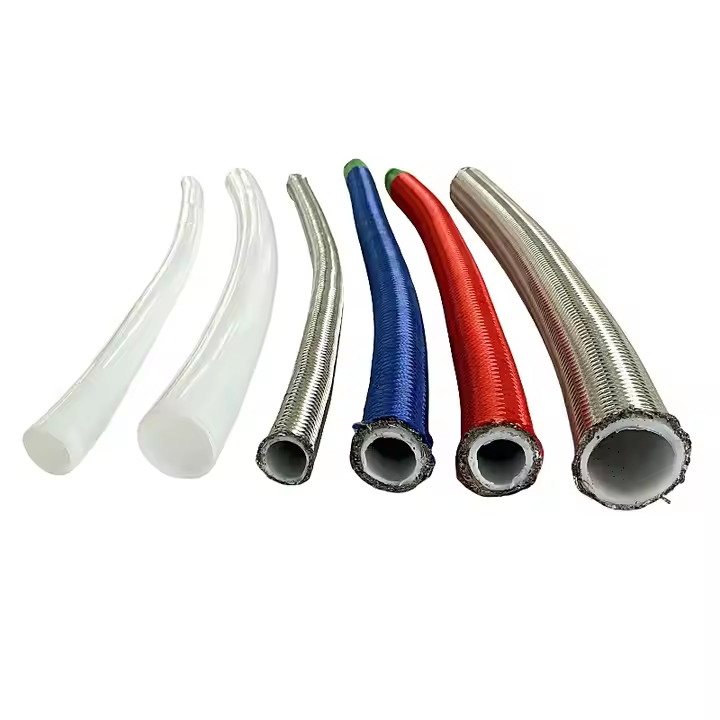
Mechanism of PTFE's Molecular Structure Preventing Chemical Attack
PTFE, also known as Polytetrafluoroethylene, creates a sort of chemical shield because of how its carbon and fluorine bonds are arranged. Regular materials like polyethylene or PVC tubes leave hydrogen atoms hanging around where they can react with other chemicals. But with PTFE, those pesky fluorine atoms basically cover every spot on the polymer chain. What this means is that harsh stuff like sulfuric acid or chlorinated solvents just can't get a grip on the material. Chemical tests back this up, showing why PTFE remains one of the most resistant materials available for handling aggressive chemicals.
PTFE Chemical Resistance Due to Strong Carbon-Fluorine Bonds
Teflon tubes have these special carbon-fluorine bonds that pack quite a punch compared to regular stuff. The bond energy here is around 116 kcal per mole, which makes them about 37% stronger than those carbon-hydrogen bonds we see in everyday plastics at just 85 kcal per mole. Because of this extra strength at the molecular level, PTFE maintains its shape even when faced with really strong acids like nitric acid at concentrations as high as 98%. That's pretty impressive if you think about it. Regular nylon starts breaking down once it hits only 50% concentration of nitric acid, while PVC can't handle much heat either, typically failing when temperatures rise above 70 degrees Celsius in acidic conditions. So for applications where materials need to stand up against harsh chemicals and extreme temperatures, PTFE remains one of the top choices on the market today.
| Polymer Type | Bond Energy (kcal/mol) | Max Acid Resistance |
|---|---|---|
| PTFE | 116 | 98% HNO3 |
| PVC | 85 | 70% H2SO4 |
| Nylon 6/6 | 79 | 30% HCl |
Why the Inert Nature of PTFE Resists Degradation
Fluorine's high electronegativity (3.98 Pauling scale) creates a non-polar surface that repels both aqueous and organic compounds. Industrial standards confirm PTFE tubing withstands:
- 10,000+ hours in 30% sodium hydroxide (NaOH) solutions
- Continuous exposure to benzene and toluene at 150°C
- pH extremes from 0 to 14 without hydrolysis
Comparison of Bond Energy in Fluoropolymers
PCTFE (chlorotrifluoroethylene) shows 18% lower acid resistance than PTFE due to chlorine's lower bond strength (81 kcal/mol vs 116 kcal/mol for C—F). This explains why extruded Teflon tubes maintain <2% swell in acetone, compared to PCTFE's 9% swell under identical conditions.
Chemical Resistance Performance of Teflon Tubes in Industrial Applications
Performance of Teflon Tube in Aggressive Inorganic Chemical Environments
Teflon tubes made from PTFE are really stable when dealing with inorganic chemicals. They can handle being exposed for long periods to strong stuff like 98% sulfuric acid and 40% sodium hydroxide even when it gets as hot as 260 degrees Celsius. When tested according to those ASTM D543 guidelines, there was basically zero wear and tear after sitting immersed for 5,000 straight hours. This makes them work great in places where we process chlorine compounds or refine metals. Looking at what happened in 2023 across the industry, companies saw something pretty impressive too. Factories making fertilizers reported cutting down on maintenance expenses caused by chemicals by about three quarters when they switched from regular metal pipes to these fluoropolymer tubes instead.
Compatibility with Organic Solvents: Real-World Exposure Cases
While most polymers degrade in hydrocarbon-rich environments, PTFE tubing maintains structural integrity when handling benzene, acetone, and xylene at elevated temperatures. Petrochemical plants using Teflon transfer lines report:
- Zero swelling or permeation issues after 3 years of continuous toluene exposure
- 94% reduction in seal failures compared to elastomer-lined alternatives
- Full compatibility with methanol-based fuel blending processes at 80°C
Resistance to Sulfuric, Hydrochloric, and Nitric Acid: Data and Benchmarks
| Acid Type | Concentration | Temperature | Permeation Rate (mm/yr) | Service Life |
|---|---|---|---|---|
| Sulfuric | 95% | 150°C | <0.01 | 15+ years |
| Hydrochloric | 37% | 100°C | 0.03 | 10 years |
| Nitric | 68% | 60°C | 0.12 | 7 years |
This performance data, sourced from 2022 material compatibility studies, explains why Teflon tubes are specified for over 80% of new acid-handling systems in semiconductor and battery manufacturing. Thermal expansion tests reveal PTFE maintains dimensional stability (±0.2%) even when cycled 500 times between -40°C and 260°C in 40% HNO3 environments.
Key Applications of PTFE Tubing in Chemical Processing Plants
Fluid Transfer Using Teflon Tubes in Corrosive Chemical Processing Environments
PTFE tubing works really well when moving aggressive stuff like concentrated acids, strong alkalis, and various solvents because of how chemically inert it is at the molecular level. Compared to metal or rubber options, these Teflon tubes hold up just fine even when things get hot, surviving temperatures as high as 260 degrees Celsius without breaking down. They also stop chemicals from seeping through, which matters a lot in applications involving chlorine gas transfers or sulfuric acid dosing lines. Another big plus is the super smooth inside surface that prevents particles from sticking around. This makes PTFE especially good for transporting ultra pure chemicals needed in places like semiconductor fabrication plants and pharmaceutical manufacturing facilities where contamination can't be tolerated.
Use of PTFE Tubing in Reactor Feedlines and Sampling Systems
When running continuous chemical processes, many facilities line their reactor feedlines with Teflon tubing to stop those pesky catalytic poisoning issues caused by reactive byproducts. Some recent research looked at 45 different chemical plants back in 2022 and discovered something interesting about these systems. Plants using PTFE lined sampling equipment saw nearly 60% less downtime for maintenance work when compared to older stainless steel setups. Another benefit worth mentioning is how the material handles electricity differently. Because of its unique dielectric properties, there's no need to worry about galvanic corrosion problems in electrochemical reactors where they deal with all those chloride rich solutions that can really eat away at metals over time.
Case Study: Replacing Metal Piping With Fluoropolymer Tubing in a Pharmaceutical Plant
When a European pharma plant swapped out their old 316L stainless steel API transfer lines for Teflon tubes, they saw maintenance costs drop by almost three quarters according to the 2023 Chemical Processing Safety Report. Stainless steel had been giving them headaches for years with all that pitting corrosion caused by acetic acid at high temps around 150 degrees Celsius. Plus, getting those rigid metal pipes installed in tight spots was always a nightmare. What really stood out though was how much better things got after switching. Leaks that used to happen about once every month suddenly vanished completely within just 18 months of going live with the new system.
PTFE Lining vs. Full Extruded Tubing for Corrosion Protection
Applications of PTFE Lining in Pumps, Valves, and Heat Exchangers
When it comes to dealing with aggressive chemicals like sulfuric acid, hydrochloric acid, and chlorinated solvents, PTFE lining acts as a protective shield inside pumps, valves, and heat exchangers. According to findings published in last year's Corrosion Resistance Report, these lined systems hold up remarkably well even when temperatures push past 200 degrees Celsius in chemical processing facilities. The fluoropolymer coating has become standard practice for heat exchanger tubing because it doesn't warp or break down during those repeated heating cycles that equipment typically experiences. Take a look at real world results too - several industrial plants reported cutting their maintenance expenses by about one third after switching to PTFE lined valves instead of the traditional options that wear out so much faster.
Advantages of Lined Versus Fully Extruded Teflon Tube in High-Pressure, Corrosive Systems
| Property | PTFE Lining | Full Extruded PTFE Tubing |
|---|---|---|
| Max Temperature | 260°C | 260°C |
| Pressure Tolerance | Up to 150 psi | Up to 100 psi |
| Flexibility | Limited by substrate | High |
| Chemical Resistance | Universal | Universal |
| Installation Cost | $45–$70 per foot | $90–$120 per foot |
Steel or alloy lined setups give these systems their structural backbone, which means they can handle pressures around 50% higher compared to regular extruded Teflon tubes. That's why many pharmaceutical facilities use them for reactor feed lines when pressures go over 100 psi. On the flip side, the all-extruded type works better where there isn't so much pressure needed, such as moving solvents around labs. The big plus here is no metal parts getting corroded over time, something that keeps happening with other materials in those environments.
Frequently Asked Questions
What is PTFE and why is it resistant to chemicals?
PTFE, known as Polytetrafluoroethylene, is resistant to chemicals due to its strong carbon-fluorine bonds, which repel harsh substances like acids and solvents.
How do Teflon tubes handle high temperatures?
Teflon tubes retain their structural integrity even at extreme temperatures up to 260°C because of the strong bonds within PTFE.
What advantages do PTFE tubes offer in industrial applications?
PTFE tubes provide excellent chemical resistance, reduce maintenance costs, and prevent leaks in high-pressure, corrosive environments.
Table of Contents
- Mechanism of PTFE's Molecular Structure Preventing Chemical Attack
- PTFE Chemical Resistance Due to Strong Carbon-Fluorine Bonds
- Why the Inert Nature of PTFE Resists Degradation
- Comparison of Bond Energy in Fluoropolymers
- Chemical Resistance Performance of Teflon Tubes in Industrial Applications
- Key Applications of PTFE Tubing in Chemical Processing Plants
- PTFE Lining vs. Full Extruded Tubing for Corrosion Protection
- Frequently Asked Questions