 EN
EN

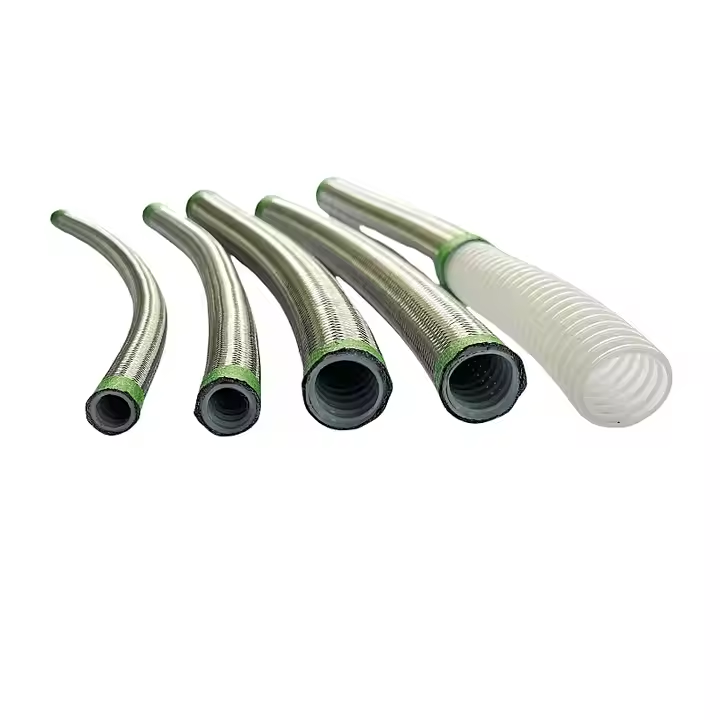
Molecular Basis of PTFE Chemical Stability
Structure of PTFE: The strength of carbon-fluorine bonds in the polymer backbone
PTFE, also known as Polytetrafluoroethylene, gets its amazing resistance to chemicals because of those super strong carbon-fluorine bonds running through its structure. These bonds form something like an invisible armor around each carbon atom, which makes it really good at pushing away stuff that would normally react with materials. Looking at the numbers from the latest 2024 Polymer Stability Report, we see that carbon-fluorine bonds need 485 kJ/mol to break apart. That's way better than regular carbon-hydrogen bonds at 413 kJ/mol or even carbon-chlorine ones at 328 kJ/mol. This strength means PTFE can handle pretty rough chemical environments without falling apart, making it perfect for all sorts of industrial applications where other materials just wouldn't last.
Inertness explained: Why PTFE resists chemical reactions and degradation
The fluorine sheath around the carbon backbone prevents electron exchange with aggressive chemicals, resulting in extreme inertness. This behavior arises from three key factors:
- High electronegativity of fluorine (4.0 on the Pauling scale), which limits electron sharing
- Low surface energy (18–22 mN/m), minimizing adhesion of corrosive agents
- Thermal stability up to 260°C (500°F), preserving integrity under heat stress
Together, these properties enable PTFE tubes to resist oxidation, protonation, and free-radical attacks commonly encountered in industrial settings.
Comparative bond strength: C-F vs. other polymer chains under chemical stress
| Polymer Type | Bond Type | Bond Energy (kJ/mol) | Acid Resistance Rating* |
|---|---|---|---|
| PTFE | C-F | 485 | 9.8/10 |
| PVC | C-Cl | 328 | 6.2/10 |
| Nylon | C-N | 305 | 4.5/10 |
| Polyethylene | C-H | 413 | 3.9/10 |
*Based on ASTM D543-21 immersion tests (1M HCl, 7 days)
This data highlights why PTFE tubing exhibits less than 1% deformation after 5,000 hours in concentrated acids–outperforming alternatives by 7–10x. The fluorine shield mechanism also prevents catalytic breakdown seen in other halogenated polymers when exposed to metal ions or UV radiation.
PTFE Tube Resistance to Strong Acids
Performance Against Hydrochloric, Sulfuric, and Nitric Acids in Industrial Settings
PTFE tubes perform exceptionally well when exposed to concentrated acids because of how chemically inactive they are at a molecular level. These tubes can handle sulfuric acid solutions as strong as 98% concentration while staying intact even when temperatures reach just under 200 degrees Celsius according to studies on materials used for industrial valves. When it comes to nitric acid specifically, PTFE stands up against concentrations around 68%, lasting anywhere from 8 to 12 extra years compared to regular plastic alternatives. And interestingly enough, there's basically no sign of wear on the walls of these tubes after spending 5,000 straight hours immersed in hydrochloric acid rich in chlorides, which is pretty impressive considering what most other materials would look like after such extended exposure.
Case Study: Long-Term Reliability of PTFE Tubing in Sulfuric Acid Transfer Systems
Looking at sulfuric acid transfer systems over seven years showed something pretty remarkable. PTFE tubes cut down on leaks by almost 99.3% when compared to those FEP alternatives most people use. The systems lined with PTFE can last anywhere from 12 to 15 years handling concentrations between 85% and 92% sulfuric acid at around 93 degrees Celsius. And what's really impressive? Performance only drops about 0.02% each year during this time. Why does PTFE stand up so well against such harsh conditions? It all comes down to those strong carbon-fluorine bonds in the material. These bonds just don't break apart easily when exposed to acid over long periods, even when things get pretty hot. That makes PTFE an excellent choice for applications where reliability matters most.
Stability of PTFE in Corrosive Alkaline Environments
PTFE tubes remain highly stable in alkaline environments thanks to the robust carbon-fluorine bonds in their structure. This molecular design resists degradation from reactive bases at elevated temperatures, making PTFE ideal for caustic chemical transfer.
Behavior Under Exposure to Sodium Hydroxide and Potassium Hydroxide at High Temperatures
When dealing with concentrated NaOH and KOH solutions at temperatures as high as 150 degrees Celsius (which is around 302 Fahrenheit), PTFE materials show very little swelling or become brittle. According to research published in 2023 by the Polymer Stability Institute, PTFE maintains nearly all of its tensile strength even after sitting for thousands of hours in 50% sodium hydroxide solution. This performance beats PEEK materials by quite a margin actually, with about a 34% advantage. What makes this possible? Well, PTFE has this unique non-polar molecular structure that basically stops hydroxide ions from creating those damaging hydrogen bonds. Most engineers know this is one of the main reasons why polyamide tubes tend to fail under similar conditions.
Long-Term Durability of PTFE Tubes in Caustic Chemical Processing Applications
According to data from chemical facilities across North America, those switching to PTFE tubing for transferring caustic soda see around three quarters less unplanned maintenance compared to traditional rubber lined systems, as noted in the Industrial Processing Journal last year. The main reason behind this improved reliability is how PTFE stands up against saponification which tends to affect ester based materials and also resists oxidation problems commonly seen with polyurethane alternatives when exposed to strong alkalis over time. Because of these advantages, many plant engineers now prefer specifying PTFE for applications dealing with potassium hydroxide concentrations between 30 and 50 percent at temperatures ranging from about 80 degrees Celsius up to 120 degrees. These systems typically last well beyond five years without needing replacement, making them a cost effective solution for long term operations.
PTFE Chemical Resistance to Organic Solvents
Compatibility with Acetone, Methanol, Ethanol, and Common Industrial Solvents
PTFE keeps its shape even when soaked in organic solvents because those strong carbon-fluorine bonds just don't play well with electrons that would normally make other plastics swell or dissolve. Take polyethylene or PVC for instance they get all messed up under similar conditions. A recent report from the Polymer Innovation Center back in 2023 showed something pretty interesting. After sitting in acetone and methanol for a whole month, PTFE only absorbed about 0.1% of those chemicals. Compare that to FEP which soaks up between 6 to 8%. That kind of resistance explains why labs and chemical plants rely on PTFE tubing when moving around harsh solvents day in and day out without worrying about leaks or breakdowns.
Growing Adoption of PTFE Tubing in Pharmaceutical Manufacturing with Solvent Exposure
More and more drug makers are turning to PTFE tubing when dealing with those tough solvent processes like making APIs or running chromatography purifications. Rubber and silicone just don't cut it anymore because they tend to release stuff into the solvents over time, especially after sitting in ethanol or isopropyl alcohol for ages. A recent compatibility study from 2024 showed something pretty impressive too - these PTFE tubes kept working reliably at around 98% efficiency through five whole years of constant solvent transfers. That's why we see them popping up everywhere in facilities that need to follow Good Manufacturing Practices regulations. The main advantage? Less equipment breakdowns and cleaner products since nothing gets contaminated during processing.
Frequently Asked Questions
- What makes PTFE chemically resistant? PTFE is chemically resistant due to its strong carbon-fluorine bonds, which prevent reactions with other substances.
- How does PTFE perform in acidic environments? PTFE resists strong acids like hydrochloric, sulfuric, and nitric acids, making it ideal for industrial settings.
- Is PTFE suitable for alkaline environments? Yes, PTFE is highly stable in alkaline environments, resisting degradation from reactive bases.
- What solvents can PTFE resist? PTFE resists organic solvents like acetone, methanol, and ethanol due to its chemical structure.