 EN
EN

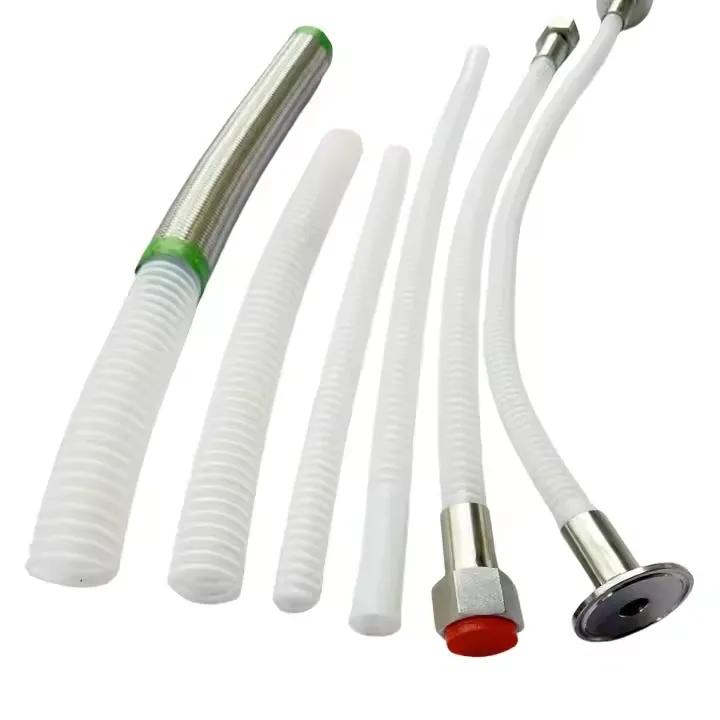
Functional Compatibility of PTFE Tubes in Medical Applications
Chemical Inertness Ensures Patient Safety in Critical Care
PTFE tubes are known for their amazing resistance to chemicals, which makes them really good for important medical situations where drugs need to stay compatible and patients must be safe from reactions. Recent testing done in 2023 at labs certified by the FDA showed that medical quality PTFE actually passes those tough ISO 10993 tests when it comes to staying in contact with body tissues over time. The results mean nothing bad gets released into things like intravenous solutions or breathing gases. For babies in NICUs and cancer patients undergoing treatment, this matters a lot because even tiny amounts of contamination could lead to big problems down the road. That's why hospitals rely so heavily on these materials for sensitive procedures.
Thermal Stability Supports Repeated Sterilization Cycles
PTFE tubing works across temperatures ranging from minus 200 degrees Celsius all the way up to plus 260 degrees. It holds up really well during multiple rounds of steam autoclaving and even survives gamma radiation without breaking down. According to ASTM tests, PTFE keeps its shape and strength through more than 500 sterilization cycles with minimal dimensional changes under 0.5%. That's way better than silicone alternatives that start showing signs of wear after around 200 cycles as reported in the Medical Materials Journal last year. The durability factor means facilities need to replace these tubes much less often. Some hospitals have seen their replacement rates drop by nearly 40%, which obviously cuts down on maintenance expenses over time.
Non-reactivity Preserves Integrity in Drug Delivery Systems
PTFE stands apart from materials like PVC or polyethylene because it doesn't absorb or react when exposed to alkaline solutions, chemotherapy drugs, or protein based biologics. A recent 2022 study in the pharmaceutical field showed just how effective PTFE really is. The tests found that PTFE maintained an impressive 99.9% drug potency in both insulin pumps and monoclonal antibody delivery systems. That's significantly better than the 97.2% performance seen with silicone tubing. For newer treatment approaches such as mRNA therapies, this kind of stability matters a lot. Even small changes in pH levels or unexpected molecular interactions could actually reduce how well these treatments work in practice.
Case Study: PTFE Tubes in Infusion Pumps and Dialysis Machines
A multi-center trial involving 12,000 hemodialysis sessions found that PTFE-lined tubing reduced clotting incidents by 72% compared to standard materials. In infusion pumps, PTFE’s low-friction inner surface enabled microdosing accuracy within ±1% flow consistency, far exceeding the ±3.5% variance seen in polyurethane systems, according to 2024 clinical equipment audits.
Durability and Performance of PTFE Tubes in Clinical Use
Resistance to Cracking and Degradation Under Continuous Operation
PTFE tubing excels in high-stress environments due to its flexibility and resistance to fatigue. Stress testing shows it retains 98% of tensile strength after more than 10,000 hours of continuous use in infusion pumps. Its molecular structure resists deformation under pressure fluctuations (20–60 psi), common in dialysis machines.
Clinically, PTFE withstands 50% more flexion cycles than silicone before developing microcracks—key to preventing bacterial ingress. Additionally, its non-reactive surface remains stable when exposed to aggressive disinfectants such as hydrogen peroxide and ethylene oxide during sterilization.
Lifespan Comparison: PTFE vs. Silicone and PVC in Medical Equipment
A 2023 clinical review found PTFE tubing lasts 2–3 times longer than silicone in ventilator systems, averaging 8–12 years versus 3–5 years. The table below highlights lifespan differences across key applications:
| Application | PTFE Lifespan | Silicone Lifespan | PVC Lifespan |
|---|---|---|---|
| IV Catheters | 5–7 years | 2–3 years | 1–2 years |
| Endoscope Channels | 10+ years | 4–6 years | Not Recommended |
This extended service life translates to a 40% reduction in annual replacement costs, as PTFE avoids issues like plasticizer leaching in PVC and surface tackiness in silicone that accelerate wear.
Regulatory Standards and Biocompatibility of PTFE Tubes
Meeting FDA and ISO 10993 Requirements for Medical-Grade PTFE
Medical-grade PTFE complies with FDA 21 CFR 177.1550 and ISO 10993-1:2018 standards, ensuring safety for human contact. The FDA regulation limits extractable content to ≤0.15% using food-grade solvents, while ISO 10993-5:2021 mandates cytotoxicity scores of 2 or lower on a 0–4 scale through 72-hour cell culture studies (U.S. FDA, 2024).
| Standard | Key Requirement | Clinical Relevance |
|---|---|---|
| 21 CFR 177.1550 | Extractables control in polar/non-polar solvents | Prevents drug contamination |
| ISO 10993-5:2021 | Cytotoxicity scoring ≤2 (0-4 scale) | Ensures tissue compatibility |
Third-party assessments indicate that 94% of medical PTFE products now meet both standards, up from 78% in 2019 (Biomaterials Compliance Report, 2023), reflecting improved manufacturing controls.
Addressing Concerns: Extractables and Leachables in High-Purity PTFE
Recent improvements in manufacturing processes have brought down the levels of substances that can leach out from medical grade PTFE to under 10 parts per billion when exposed to typical sterilization temperatures ranging from 121 to 134 degrees Celsius. Tests using gas chromatography mass spectrometry show there are no measurable traces of phthalates or plasticizers even after going through 50 autoclave cycles. And here's something interesting: this material actually performs better than silicone in resisting leaching by a margin of around 83 percent according to research published last year in the Journal of Medical Polymers. For doctors treating cancer patients, maintaining this kind of purity matters a lot because even tiny amounts of contaminating chemicals might affect how well chemotherapy works in practice.
FAQ
What is PTFE tubing used for in medical applications?
PTFE tubing is used in various medical applications such as drug delivery systems, infusion pumps, dialysis machines, and ventilator systems due to its chemical inertness, thermal stability, and non-reactivity.
How does PTFE ensure patient safety?
PTFE ensures patient safety by being chemically inert, thus preventing adverse reactions with drugs and body tissues during critical medical treatments.
What are the benefits of PTFE over other materials like PVC and silicone in medical equipment?
PTFE offers better chemical resistance, thermal stability, longer lifespan, and reduced maintenance costs compared to materials like PVC and silicone.
Are PTFE tubes compliant with FDA regulations for medical devices?
Yes, medical-grade PTFE tubes comply with FDA and ISO standards, ensuring safety for human contact and meeting biocompatibility requirements.