 EN
EN
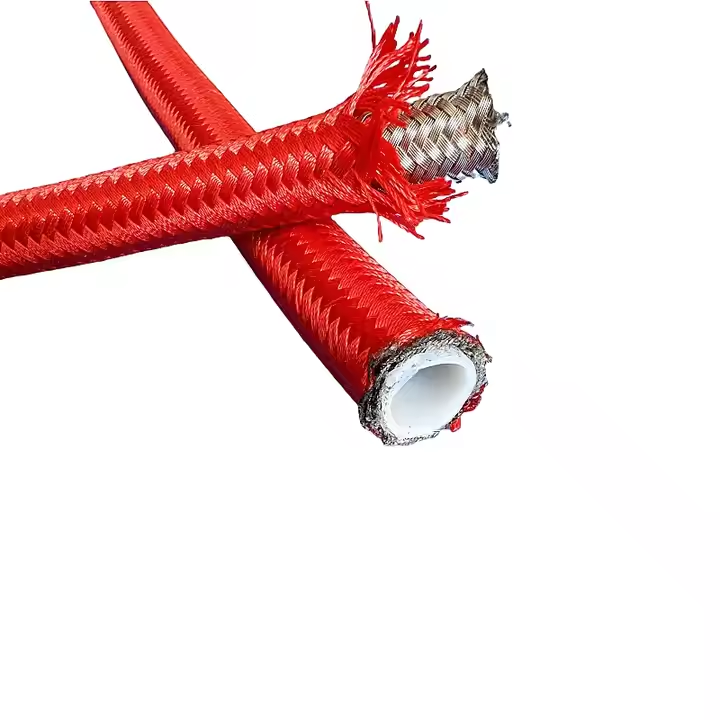
PTFE Tubes in Enterprise Bulk Procurement: Strategic Sourcing Beyond Volume
Why PTFE Tubes Demand Specialized Sourcing Criteria (Chemical Resistance, Purity, Certification)
Buying PTFE tubes in large quantities isn't just about following normal procurement processes. These tubes need to handle harsh chemicals like aggressive acids and solvents without breaking down structurally. Recent research on polymer compatibility showed that almost 9 out of 10 failures in industrial settings happened because the chemical resistance specs didn't match up properly. The purity factor matters too. For pharmaceutical work or semiconductor manufacturing, companies typically need tubing certified under USP Class VI standards or ASTM D4894 requirements to avoid any contamination risks. Top manufacturers are starting to demand complete material traceability along with certifications specific to each batch they produce, meeting FDA regulations outlined in 21 CFR Part 177.1550. When these quality controls aren't in place, businesses face serious problems including production stoppages, expensive product recalls that can cost around $740,000 according to Ponemon's latest data, and potential safety hazards.
From Transactional Buying to Strategic Sourcing: Aligning PTFE Tube Procurement with Operational Goals
Forward-thinking organizations are shifting from transactional purchases to strategic sourcing models that align with operational goals. This evolution transforms procurement from a cost-focused function into a value-creating partnership.
| Transactional Approach | Strategic Sourcing Approach |
|---|---|
| Price-focused negotiations | Total Cost of Ownership (TCO) analysis |
| Short-term contracts | Multi-year tiered agreements |
| Reactive ordering | Demand forecasting integration |
| Supplier as vendor | Supplier as technical partner |
The method cuts costs somewhere between 15 to 30 percent thanks to bulk buying discounts while keeping everything technically compatible. Take car makers for instance who time their purchases of PTFE tubes right when they need them for electric vehicle cooling systems. One study from Deloitte last year showed this practice actually trimmed inventory expenses by around 22%. When companies start weaving procurement directly into how they plan operations day to day, they build stronger supply chains and get better positions at the bargaining table. This matters a lot when dealing with those tough medical standards like ISO 10993 certification for high quality tubing. What was once just purchasing becomes something much bigger strategically speaking.
Cost Optimization for PTFE Tubes: Balancing Bulk Discounts, Negotiation Leverage, and Total Landed Cost
Volume-Based Pricing vs. Hidden Costs: Evaluating True Savings on PTFE Tube Orders
Volume discounts might look good on paper, but real cost savings come from looking at the whole picture when it comes to what something actually costs. This means factoring in things like shipping costs, import taxes, quality checks, and how much money gets tied up in storage. Take medical grade PTFE tubing for instance. When we talk about sterilization validation fees, these can tack on around 12 to 15 percent to the basic price tag according to recent industry reports from 2023. And let's not forget about bulk purchases either. Orders over fifty grand are basically playing Russian roulette with specs changing down the road. The aerospace sector has seen an average of nine percent written off just because they had too much specialty tubing sitting around. So what's the fix? Look for suppliers who can help navigate these challenges effectively.
- Comprehensive landed cost breakdowns
- Flexible inventory replenishment triggers
- Automated reorder systems aligned with actual usage
Negotiating Tiered Agreements and Certifications (e.g., ASTM D4894, FDA Compliance) for Better Value
Experienced procurement teams negotiate tiered pricing that rewards guaranteed volumes and favorable payment terms, using certifications like ASTM D4894 as non-price value levers. Manufacturers with ISO 13485 certification often accept 5–7% lower margins for validated pharmaceutical contracts, recognizing long-term partnership benefits. Effective agreements include:
| Agreement Feature | Cost Impact | Risk Mitigation |
|---|---|---|
| Multi-year volume commitments | 8–12% discount tiers | Price lock clauses |
| Batch-level traceability | 3–5% operational savings | Recall cost avoidance |
| Shared compliance auditing | 15–20% reduced validation costs | Regulatory penalty protection |
These structured certifications create mutual accountability. Consignment stocking options further improve cash flow by freeing working capital otherwise tied up in inventory.
Supplier Reliability and Risk Mitigation in PTFE Tube Bulk Procurement
Assessing Technical Capability, Quality Control, and Traceability in PTFE Tube Suppliers
When choosing PTFE tube suppliers, companies shouldn't focus solely on price tags but look at the bigger picture. Technical know-how matters a lot here. Good suppliers have experience working with polymers and can run tests tailored to specific applications. Think about chemical resistance checks done in actual operating conditions, not just lab settings. Quality control isn't optional either. Certifications such as ISO 9001 and ASTM D4894 aren't just paperwork they hang on the wall; these standards actually help maintain consistent product quality across batches. Traceability throughout the production process is critical, especially in industries where mistakes can be catastrophic. For instance, aerospace manufacturers need to track every component back to its raw material source. A recent report from the Ponemon Institute put the average cost of supply chain issues at around $740k per incident, which makes sense when considering how much downtime costs businesses. The best suppliers maintain cleanrooms meeting ISO Class 7 standards or better and offer comprehensive documentation packages. This helps avoid contamination risks while keeping everything compliant with regulatory requirements.
Single-Sourcing vs. Dual-Sourcing: Managing Supply Disruption Risk Without Sacrificing Consistency
When it comes to sourcing materials strategically, companies need to find that sweet spot between getting things done efficiently and staying resilient against unexpected problems. Going with just one supplier can definitely make logistics easier and get those nice bulk discount prices, but there's a downside too. If something goes wrong geopolitically or if production gets knocked out somewhere, businesses are left scrambling. That's why many manufacturers in the semiconductor industry have started doubling up on suppliers. According to Supply Chain Quarterly last year, this dual approach cuts down stockout risks by around 60%. Still, keeping everything consistent across different suppliers remains super important. What works well is setting up tiered contracts where both vendors must stick to exactly the same standards like ASTM requirements, FDA regulations, and whatever specific tests are needed. For example, when dealing with PTFE tubes, having interchangeable parts means operations don't grind to a halt during shortages, all while still meeting quality expectations and creating a more flexible supply chain overall.
Inventory Strategy for PTFE Tubes: Optimizing Stock Levels Without Overstocking or Stockouts
Demand Forecasting and MOQ Alignment for High-Performance PTFE Tube Applications
Good inventory control starts with knowing what customers will need before they ask. Look at past usage patterns across different industries like semiconductor manufacturing where gases are delivered through specialized systems, or in pharmaceutical settings where fluids must be transferred safely. When setting up minimum order quantities, it's important to match these with what we predict based on history, but also consider how long it takes suppliers to deliver and any special certifications needed for certain products, such as USP Class VI standards for medical tubing materials. Critical operations should always keep some extra stock on hand around 15 to 20 percent of what gets used each month just in case there are unexpected delays from suppliers. But watch out for buying too much since some items have limited shelf lives and can become unusable if stored too long.
Storage Best Practices: Handling, Shelf Life, and Environmental Controls for PTFE Tubing
Proper storage preserves PTFE tubing’s chemical resistance and dimensional stability. Follow these best practices:
- Environmental controls: Store at 15–25°C and below 40% humidity, away from UV light to prevent polymer degradation
- Handling procedures: Use cleanroom-compatible packaging to preserve purity; avoid kinking during transport and installation
- Shelf life management: Implement FIFO (First-In-First-Out) rotation, as PTFE remains stable for 5–7 years under optimal conditions
- Space optimization: Use vertical racking with foam-lined dividers to prevent compression damage and maximize warehouse density
Key consideration: While PTFE’s non-reactivity allows longer storage than elastomeric tubing, improper handling can compromise its low-friction surface and contaminate sensitive processes.
FAQ Section
What does PTFE tubing offer compared to other materials?
PTFE tubing is known for its chemical resistance, high purity, and ability to maintain structural integrity in harsh conditions, making it ideal for industries such as pharmaceuticals and semiconductors.
Why is strategic sourcing important in PTFE tube procurement?
Strategic sourcing aligns procurement practices with operational goals, ensuring cost savings, quality assurance, and supplier partnerships that go beyond mere transactional buying.
How can companies balance cost savings with quality in PTFE tube purchases?
Evaluating true savings involves looking beyond volume-based discounts to consider shipping, storage, taxes, and potential change in specifications. Tiered agreements with suppliers and certifications help to ensure quality without sacrificing cost savings.
What are the risks of single-sourcing PTFE tubes?
Single-sourcing can simplify logistics, but also carries risks of supply disruption due to geopolitical or production issues. Dual-sourcing improves resilience and consistency while mitigating stockout risks.
How should PTFE tubes be stored?
PTFE tubes should be stored at temperatures between 15-25°C and below 40% humidity, away from UV light. FIFO rotation ensures optimal shelf life, while proper handling prevents surface damage.
Table of Contents
- PTFE Tubes in Enterprise Bulk Procurement: Strategic Sourcing Beyond Volume
- Cost Optimization for PTFE Tubes: Balancing Bulk Discounts, Negotiation Leverage, and Total Landed Cost
- Supplier Reliability and Risk Mitigation in PTFE Tube Bulk Procurement
-
Inventory Strategy for PTFE Tubes: Optimizing Stock Levels Without Overstocking or Stockouts
- Demand Forecasting and MOQ Alignment for High-Performance PTFE Tube Applications
- Storage Best Practices: Handling, Shelf Life, and Environmental Controls for PTFE Tubing
- FAQ Section
- What does PTFE tubing offer compared to other materials?
- Why is strategic sourcing important in PTFE tube procurement?
- How can companies balance cost savings with quality in PTFE tube purchases?
- What are the risks of single-sourcing PTFE tubes?
- How should PTFE tubes be stored?